People, rights and resilience at the heart of every journey
Human rights and disaster risk management for responsible decision-making.
We help companies, public institutions and non-profit organizations prevent adverse impacts, strengthen governance and manage reparation processes, combining legal expertise, executive experience and close listening to affected communities.
Where to start
Do any of these sound familiar?
These are the most common reasons for a first conversation. Each one leads to the relevant area of work.
- An unclear starting pointBusiness and Human RightsWe need to understand how mature our processes are and identify where human rights violations could occur.Baseline and impact assessment
- A client or investor requirementBusiness and Human RightsA client, investor or bank has asked for evidence that due diligence has been carried out.Due diligence and governance
- Listening that is not workingBusiness and Human RightsComplaints surface late, and first through the press.Listening and grievance mechanisms and sensitive cases
- Mental health and working conditionsBusiness and Human RightsPsychosocial risks, harassment or working conditions are now on the agenda (NR-1).Decent work and psychosocial risks
- Tension with the communityBusiness and Human RightsA project, permit or expansion runs into trouble with the local community.Community relations
- Exposure to disastersDisaster Risk ManagementWe need to know where a disaster could strike and who it could affect.Risk and vulnerability mapping
- Emergency preparednessDisaster Risk ManagementThe operation needs a contingency plan, protocols and drills.Prevention, preparedness, mitigation and response
- A commitment to repairDisaster Risk ManagementThere is a reparation program or settlement to design or assess.Reparation: design and monitoring
- After a disasterDisaster Risk ManagementA disaster has happened and we need to learn from it and prevent it from happening again.Memory, non-repetition and lessons learned
We also work with public institutions, civil protection agencies and non-profit organizations.
View all solutionsPractice areas
Two practice areas that meet


Executive Radar
What changes, read for your organization.
Monitoring of the regulatory environment and of the requirements that arrive through contracts, courts, lenders and markets, read for your operations: what changed, whether it affects your organization, what to decide and by when. With a verifiable method and independent fact-checking.
- RegulationLegal obligations in the jurisdiction
- ContractClauses, questionnaires, supplier codes
- LitigationPrecedents that become standards of conduct
- CapitalConditions for credit and investment
- Local contextLegitimacy that can halt operations
Who leads
The partners lead every project
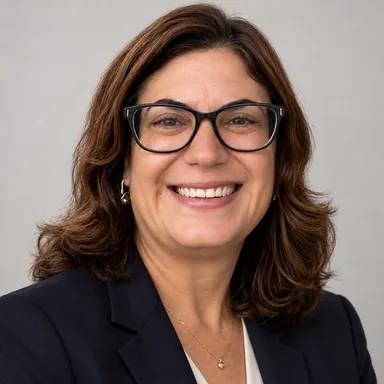 Christiana FreitasFounding partnerLawyer, sociologist and political scientist with more than 20 years of experience in human rights, public policy and disaster risk management. She holds a PhD in Law from the University of Brasília, served as Director for the Promotion of Human Rights in the Office of the President of Brazil and was Human Rights Manager in the Rio Doce basin reparation.
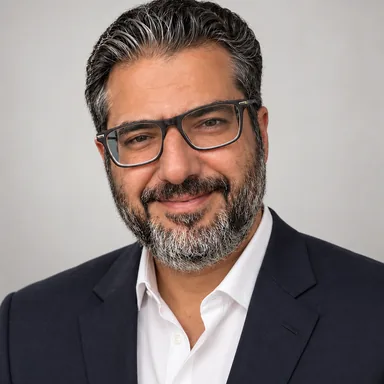 Ronaldo MoysésFounding partnerLawyer, executive and manager with more than 20 years of experience in negotiation, complex conflict management and large-scale, complex projects. He managed the mediated indemnification and emergency financial aid programs in the Rio Doce basin reparation.

Purpose
To make respect for human rights and the prevention of risks and disasters part of the culture of organizations.
Insights
Recent analysis
-
The CSDDD after Omnibus I: what changes for Brazilian suppliers to European companies
The CSDDD after Omnibus I, the EUDR from 30 Dec 2026 and the EU forced labour ban: what Brazilian suppliers can expect and how to prepare.
By Christiana Freitas12 min read -
Brazil’s NR-1 after the Supreme Federal Court: sanctions paused, obligation in force
Brazil’s Supreme Federal Court suspended sanctions based on NR-1 psychosocial risk provisions, but the duty to manage these risks stands. What to do now, through a human rights lens.
By Ronaldo Moysés10 min read

Talk directly to the partners
A confidential conversation to understand your organization’s context and recommend where to start.
Talk to the partners